
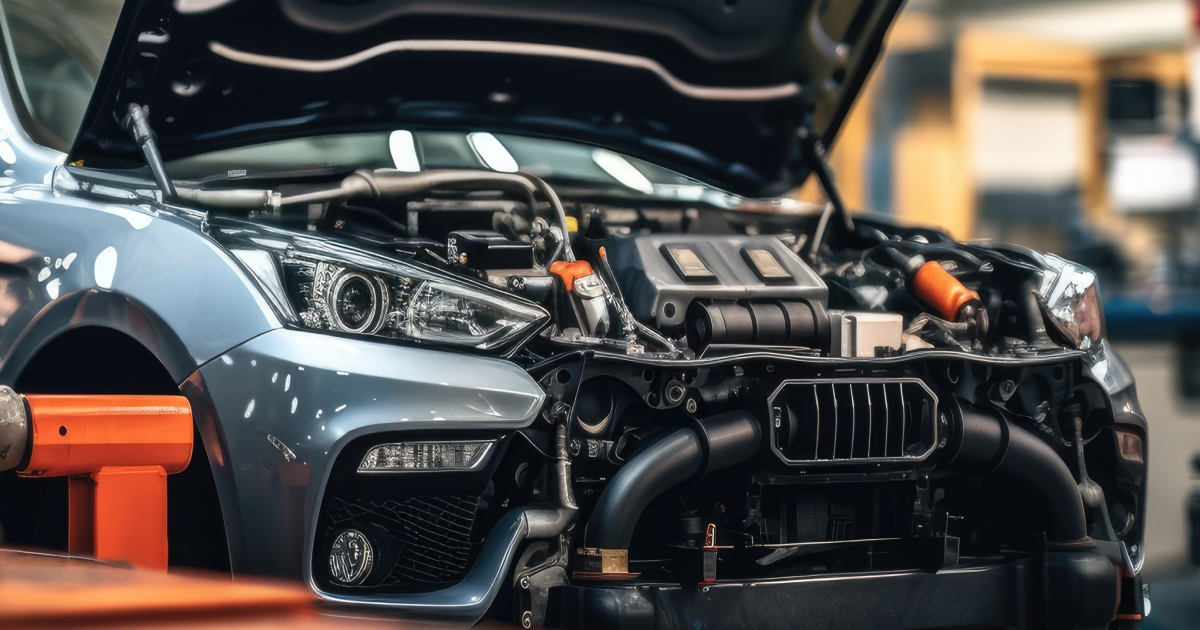
In the realm of automotive discussions, you’ve likely encountered the term “OEM” more than once. It’s thrown around in conversations, written in product descriptions, and even recommended by experts. But what exactly does OEM mean, and why does it hold such significance? In today’s blog post, we will delve into the significance of OEM, how it affects compatibility and quality, and why it’s essential across numerous industries, particularly in the automotive field. OEM: Unraveling the Acronym OEM stands for Original Equipment Manufacturer. This term refers to the company that manufactures a product’s original components or parts. In essence, OEM products are those that are made by the same company that produced the original parts found in a particular vehicle, electronic device, or other products. When you purchase an OEM product, you’re essentially acquiring a component that matches the quality, specifications, and design of the original part that was installed in your vehicle or device when it was first produced. The Significance of OEM: Quality, Compatibility, and Consistency One of the key reasons why OEM is so highly regarded is its association with quality. OEM parts are manufactured to the same standards as the original components, ensuring that you’re getting a product that has been tested, approved, and optimized for performance. When you opt for OEM parts, you’re choosing components that are specifically designed to fit your vehicle or device. OEM manufacturers have access to precise specifications, ensuring that their parts seamlessly integrate with the existing systems. This compatibility minimizes the risk of installation issues and ensures the smooth functioning of your equipment. OEM products maintain consistency across a range of factors – from design and materials to performance and reliability. This consistency is particularly crucial in industries where precision and reliability are paramount, such as automotive manufacturing. Why OEM Matters in the Automotive World Preserving Warranty Coverage Using OEM parts is often a requirement to maintain your vehicle’s warranty coverage. If you need repairs or replacements, opting for OEM parts ensures that your warranty remains valid, safeguarding your investment and providing peace of mind. Safety First OEM parts are engineered with safety in mind. They undergo rigorous testing to ensure that they meet stringent safety standards, protecting you and your passengers on the road. Resale Value When it comes to selling your vehicle, using OEM parts can enhance its resale value. Prospective buyers often prioritize vehicles that have been maintained with high-quality, original components. When it comes to quality and longevity, all of our repairs and procedures ensure that. Elite Imports invites you and your four-wheeled companion to the shop so we can take a look at everything and make sure it’s good to go!
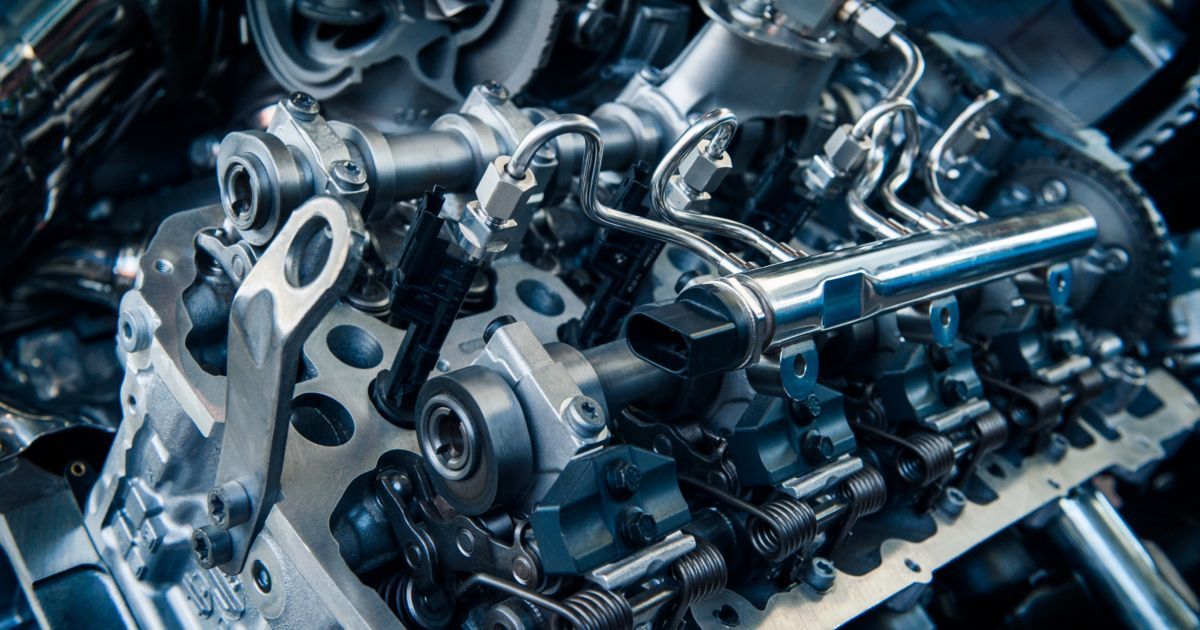
Engine misfires are on the list of annoying vehicle issues accompanied by horribly loud sounds. Whether it’s been your own car or someone driving around town, the loud pop that a misfire makes is unmistakable. After the sound comes to the smell of hot gas and oil, cementing the notion that something is very wrong. What Causes An Engine Misfire Misfires happen when there’s a failed combustion within the engine. Your pistons work with the fuel and ignition systems of your vehicle to create small controlled explosions inside each cylinder. This creates power and force to drive the piston back up and keep repeating over and over for consistent engine power. When any of those cooperating systems fail, you get a misfire. It could be a bad coil, ignition wire, or spark plug which means the explosion isn’t being triggered properly. Another option would be that the air/fuel mixture created doesn’t have the correct ratio needed for the right level of combustion. Are Misfires Bad for Your Vehicle? Driving with misfires is dangerous for you, your vehicle, and other drivers on the road. Each misfire causes more and more damage to your engine’s internal and external systems. Irregular pressure caused by misfires can damage fuel lines and seals, while improper fuel mixtures can burn too hot and damage the pistons themselves. Problems A Misfiring Engine Causes Now focusing on impacts for you and other drivers we start to worry about repercussions including poor fuel economy and loss of power. If you drive a four-cylinder vehicle and one piston is misfiring, you’ve effectively lost 25% of the power your engine can produce. Ignoring it can get to the point where accelerating is too difficult to safely get on the highway, something you may not want to do as misfires can also cause black smoke reducing visibility. Diagnosing A Misfiring Engine With so many factors coming into play, it can difficult to self-diagnose where the problem lies. Even error code readers have trouble, often just telling you which cylinder is misfiring. If you’re experiencing misfires or need any other engine repair , we encourage you to stop by our auto repair shop for an expert analysis and recommendation!

Introduction Driving is an exciting milestone in a young person’s life. It represents freedom, independence, and new opportunities. However, it also comes with great responsibility. As a parent or guardian, you must equip your young driver with the knowledge and skills they need to stay safe. In this article, we will explore the top 10 things your young driver should know, covering everything from basic rules of the road to defensive driving techniques and vehicle maintenance. Let’s dive in and ensure your young driver is well-prepared for the journey ahead! Know the Rules of the Road Understanding and following the rules of the road is crucial for every driver, regardless of age or experience level. Ensure your young drivers familiarize themselves with traffic laws, road signs, and signals. Emphasize the importance of adhering to speed limits, stopping at red lights, using turn signals, and practicing defensive driving techniques. By knowing and respecting the rules of the road, your young driver can minimize the risk of accidents and maintain a safe driving environment. Stay Focused and Avoid Distractions One of the most significant challenges young drivers face is distractions behind the wheel. Teach your young driver the importance of always staying focused on the road. Stress the dangers of texting, talking on the phone, eating, or engaging in any other activity that diverts their attention from driving. Encourage them to keep their phones out of reach and avoid multitasking while driving. Remind them that a momentary distraction can have severe consequences. Practice Defensive Driving Defensive driving is a crucial skill for all drivers, especially young ones. Teach your young driver to anticipate potential hazards on the road, such as aggressive drivers, changing weather conditions, and pedestrians. Emphasize the importance of maintaining a safe following distance, checking blind spots, and using mirrors effectively. Encourage them to be cautious and proactive, always anticipating the actions of other drivers. Understand the Dangers of Speeding Speeding is a leading cause of accidents among young drivers. Explain the risks associated with exceeding speed limits and help your young driver understand that it’s not worth compromising their safety and the safety of others. Discuss the consequences of speeding, including potential fines, license suspension, increased insurance rates, and, most importantly, the likelihood of accidents and severe injuries. Always Wear a Seatbelt Seatbelts save lives, and your young driver must make it a habit to buckle up every time they get behind the wheel. Emphasize the importance of wearing a seatbelt for safety and to protect passengers. Remind them that wearing a seatbelt reduces the risk of serious injury or death in the event of a collision. Lead by example and always wear your seatbelt when driving together. Be Mindful of Fatigue Driving while fatigued can impair judgment, reaction time, and overall driving ability. Teach your young driver to recognize the signs of fatigue, such as yawning, heavy eyelids, or difficulty focusing. Encourage them to get adequate sleep before embarking on a long journey and to take regular breaks to rest and refresh. Stress the importance of prioritizing their well-being and avoiding driving if they’re too tired. Know the Basics of Vehicle Maintenance Understanding basic vehicle maintenance is essential for every driver. Teach your young driver how to perform routine checks, such as checking tire pressure, oil levels, and brake fluid. Show them how to change a flat tire and what to do in case of a breakdown. Familiarize them with the warning lights on the dashboard and the importance of regular servicing. By knowing how to maintain their vehicle properly, your young driver can reduce the risk of unexpected breakdowns and ensure their safety on the road. Be Prepared for Different Weather Conditions Weather conditions can greatly impact driving conditions and require adjustments in driving behavior. Teach your young driver to handle various weather conditions, such as rain, snow, fog, or strong winds. Emphasize the importance of slowing down, maintaining a safe distance, and using appropriate lights and signals. Understand the Risks of Driving Under the Influence Driving under the influence of alcohol or drugs is illegal and extremely dangerous. Discuss the severe consequences of impaired driving with your young driver and clarify that there is zero tolerance for such behavior. Encourage them always to designate a sober driver or use alternative transportation if they have consumed alcohol or drugs. Stress that their safety and the safety of others should always be their top priority. Develop Good Communication Skills Effective communication on the road is essential for maintaining a safe driving environment. Teach your young driver the importance of using turn signals to indicate their intentions, making eye contact with pedestrians and other drivers, and using appropriate hand signals when necessary. Conclusion As parents, it’s important that your young driver has the knowledge and skills to navigate the roads safely. By emphasizing the top 10 things your young driver should know, including understanding the rules of the road, practicing defensive driving, and staying focused, you can help instill good driving habits from the start. Remember to lead by example and provide ongoing guidance and support as your young driver gains experience. By doing so, you can help them become confident, responsible, and safe drivers. Visit Elite Imports Auto Repair Your Vehicle Today Contact us to schedule an appointment , and visit Elite Imports Auto Repair in Centennial. We’re located at 15455 E. Hinsdale Dr., Unit 2, Centennial, CO 80112 , you will find our auto repair team hard at work Monday through Friday from 7:30 AM – 5:30 PM. We can’t wait to help you prepare your vehicle for the memories ahead.