
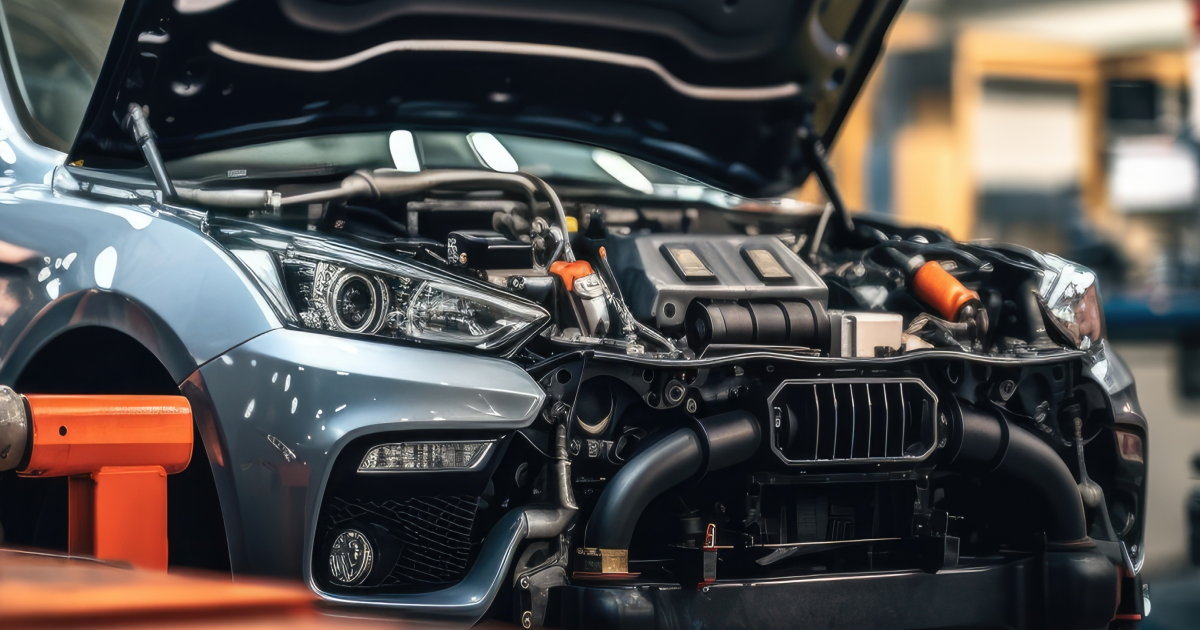
In the realm of automotive discussions, you’ve likely encountered the term “OEM” more than once. It’s thrown around in conversations, written in product descriptions, and even recommended by experts. But what exactly does OEM mean, and why does it hold such significance? In today’s blog post, we will delve into the significance of OEM, how it affects compatibility and quality, and why it’s essential across numerous industries, particularly in the automotive field. OEM: Unraveling the Acronym OEM stands for Original Equipment Manufacturer. This term refers to the company that manufactures a product’s original components or parts. In essence, OEM products are those that are made by the same company that produced the original parts found in a particular vehicle, electronic device, or other products. When you purchase an OEM product, you’re essentially acquiring a component that matches the quality, specifications, and design of the original part that was installed in your vehicle or device when it was first produced. The Significance of OEM: Quality, Compatibility, and Consistency One of the key reasons why OEM is so highly regarded is its association with quality. OEM parts are manufactured to the same standards as the original components, ensuring that you’re getting a product that has been tested, approved, and optimized for performance. When you opt for OEM parts, you’re choosing components that are specifically designed to fit your vehicle or device. OEM manufacturers have access to precise specifications, ensuring that their parts seamlessly integrate with the existing systems. This compatibility minimizes the risk of installation issues and ensures the smooth functioning of your equipment. OEM products maintain consistency across a range of factors – from design and materials to performance and reliability. This consistency is particularly crucial in industries where precision and reliability are paramount, such as automotive manufacturing. Why OEM Matters in the Automotive World Preserving Warranty Coverage Using OEM parts is often a requirement to maintain your vehicle’s warranty coverage. If you need repairs or replacements, opting for OEM parts ensures that your warranty remains valid, safeguarding your investment and providing peace of mind. Safety First OEM parts are engineered with safety in mind. They undergo rigorous testing to ensure that they meet stringent safety standards, protecting you and your passengers on the road. Resale Value When it comes to selling your vehicle, using OEM parts can enhance its resale value. Prospective buyers often prioritize vehicles that have been maintained with high-quality, original components. When it comes to quality and longevity, all of our repairs and procedures ensure that. Elite Imports invites you and your four-wheeled companion to the shop so we can take a look at everything and make sure it’s good to go!
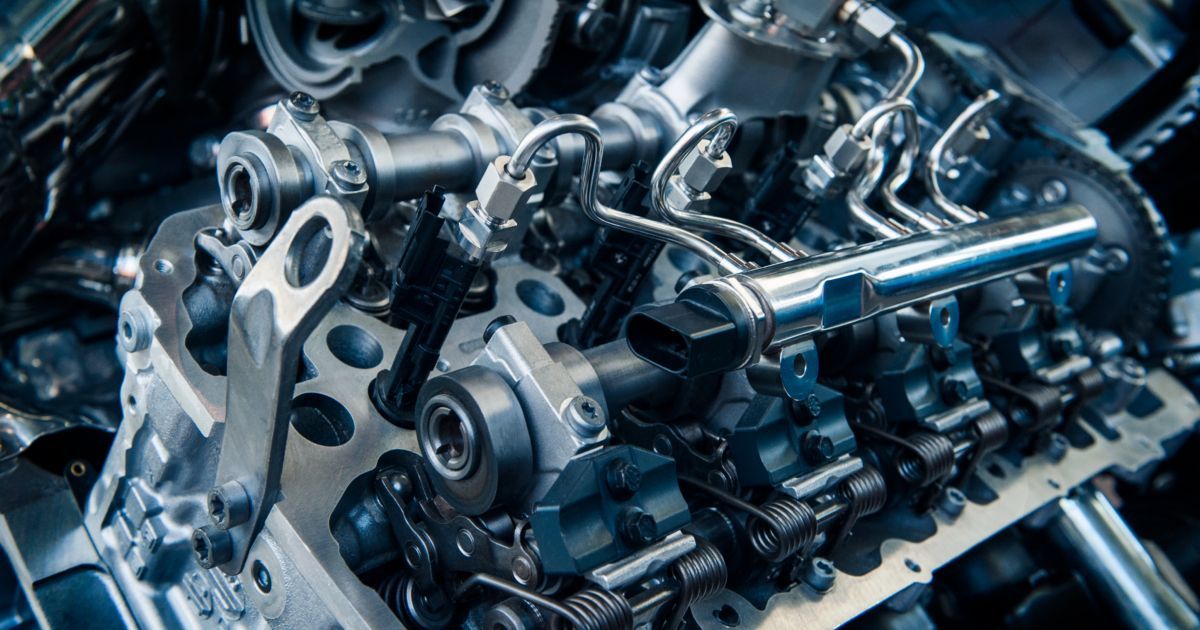
Engine misfires are on the list of annoying vehicle issues accompanied by horribly loud sounds. Whether it’s been your own car or someone driving around town, the loud pop that a misfire makes is unmistakable. After the sound comes to the smell of hot gas and oil, cementing the notion that something is very wrong. What Causes An Engine Misfire Misfires happen when there’s a failed combustion within the engine. Your pistons work with the fuel and ignition systems of your vehicle to create small controlled explosions inside each cylinder. This creates power and force to drive the piston back up and keep repeating over and over for consistent engine power. When any of those cooperating systems fail, you get a misfire. It could be a bad coil, ignition wire, or spark plug which means the explosion isn’t being triggered properly. Another option would be that the air/fuel mixture created doesn’t have the correct ratio needed for the right level of combustion. Are Misfires Bad for Your Vehicle? Driving with misfires is dangerous for you, your vehicle, and other drivers on the road. Each misfire causes more and more damage to your engine’s internal and external systems. Irregular pressure caused by misfires can damage fuel lines and seals, while improper fuel mixtures can burn too hot and damage the pistons themselves. Problems A Misfiring Engine Causes Now focusing on impacts for you and other drivers we start to worry about repercussions including poor fuel economy and loss of power. If you drive a four-cylinder vehicle and one piston is misfiring, you’ve effectively lost 25% of the power your engine can produce. Ignoring it can get to the point where accelerating is too difficult to safely get on the highway, something you may not want to do as misfires can also cause black smoke reducing visibility. Diagnosing A Misfiring Engine With so many factors coming into play, it can difficult to self-diagnose where the problem lies. Even error code readers have trouble, often just telling you which cylinder is misfiring. If you’re experiencing misfires or need any other engine repair , we encourage you to stop by our auto repair shop for an expert analysis and recommendation!

Introduction Driving is an exciting milestone in a young person’s life. It represents freedom, independence, and new opportunities. However, it also comes with great responsibility. As a parent or guardian, you must equip your young driver with the knowledge and skills they need to stay safe. In this article, we will explore the top 10 things your young driver should know, covering everything from basic rules of the road to defensive driving techniques and vehicle maintenance. Let’s dive in and ensure your young driver is well-prepared for the journey ahead! Know the Rules of the Road Understanding and following the rules of the road is crucial for every driver, regardless of age or experience level. Ensure your young drivers familiarize themselves with traffic laws, road signs, and signals. Emphasize the importance of adhering to speed limits, stopping at red lights, using turn signals, and practicing defensive driving techniques. By knowing and respecting the rules of the road, your young driver can minimize the risk of accidents and maintain a safe driving environment. Stay Focused and Avoid Distractions One of the most significant challenges young drivers face is distractions behind the wheel. Teach your young driver the importance of always staying focused on the road. Stress the dangers of texting, talking on the phone, eating, or engaging in any other activity that diverts their attention from driving. Encourage them to keep their phones out of reach and avoid multitasking while driving. Remind them that a momentary distraction can have severe consequences. Practice Defensive Driving Defensive driving is a crucial skill for all drivers, especially young ones. Teach your young driver to anticipate potential hazards on the road, such as aggressive drivers, changing weather conditions, and pedestrians. Emphasize the importance of maintaining a safe following distance, checking blind spots, and using mirrors effectively. Encourage them to be cautious and proactive, always anticipating the actions of other drivers. Understand the Dangers of Speeding Speeding is a leading cause of accidents among young drivers. Explain the risks associated with exceeding speed limits and help your young driver understand that it’s not worth compromising their safety and the safety of others. Discuss the consequences of speeding, including potential fines, license suspension, increased insurance rates, and, most importantly, the likelihood of accidents and severe injuries. Always Wear a Seatbelt Seatbelts save lives, and your young driver must make it a habit to buckle up every time they get behind the wheel. Emphasize the importance of wearing a seatbelt for safety and to protect passengers. Remind them that wearing a seatbelt reduces the risk of serious injury or death in the event of a collision. Lead by example and always wear your seatbelt when driving together. Be Mindful of Fatigue Driving while fatigued can impair judgment, reaction time, and overall driving ability. Teach your young driver to recognize the signs of fatigue, such as yawning, heavy eyelids, or difficulty focusing. Encourage them to get adequate sleep before embarking on a long journey and to take regular breaks to rest and refresh. Stress the importance of prioritizing their well-being and avoiding driving if they’re too tired. Know the Basics of Vehicle Maintenance Understanding basic vehicle maintenance is essential for every driver. Teach your young driver how to perform routine checks, such as checking tire pressure, oil levels, and brake fluid. Show them how to change a flat tire and what to do in case of a breakdown. Familiarize them with the warning lights on the dashboard and the importance of regular servicing. By knowing how to maintain their vehicle properly, your young driver can reduce the risk of unexpected breakdowns and ensure their safety on the road. Be Prepared for Different Weather Conditions Weather conditions can greatly impact driving conditions and require adjustments in driving behavior. Teach your young driver to handle various weather conditions, such as rain, snow, fog, or strong winds. Emphasize the importance of slowing down, maintaining a safe distance, and using appropriate lights and signals. Understand the Risks of Driving Under the Influence Driving under the influence of alcohol or drugs is illegal and extremely dangerous. Discuss the severe consequences of impaired driving with your young driver and clarify that there is zero tolerance for such behavior. Encourage them always to designate a sober driver or use alternative transportation if they have consumed alcohol or drugs. Stress that their safety and the safety of others should always be their top priority. Develop Good Communication Skills Effective communication on the road is essential for maintaining a safe driving environment. Teach your young driver the importance of using turn signals to indicate their intentions, making eye contact with pedestrians and other drivers, and using appropriate hand signals when necessary. Conclusion As parents, it’s important that your young driver has the knowledge and skills to navigate the roads safely. By emphasizing the top 10 things your young driver should know, including understanding the rules of the road, practicing defensive driving, and staying focused, you can help instill good driving habits from the start. Remember to lead by example and provide ongoing guidance and support as your young driver gains experience. By doing so, you can help them become confident, responsible, and safe drivers. Visit Elite Imports Auto Repair Your Vehicle Today Contact us to schedule an appointment , and visit Elite Imports Auto Repair in Centennial. We’re located at 15455 E. Hinsdale Dr., Unit 2, Centennial, CO 80112 , you will find our auto repair team hard at work Monday through Friday from 7:30 AM – 5:30 PM. We can’t wait to help you prepare your vehicle for the memories ahead.
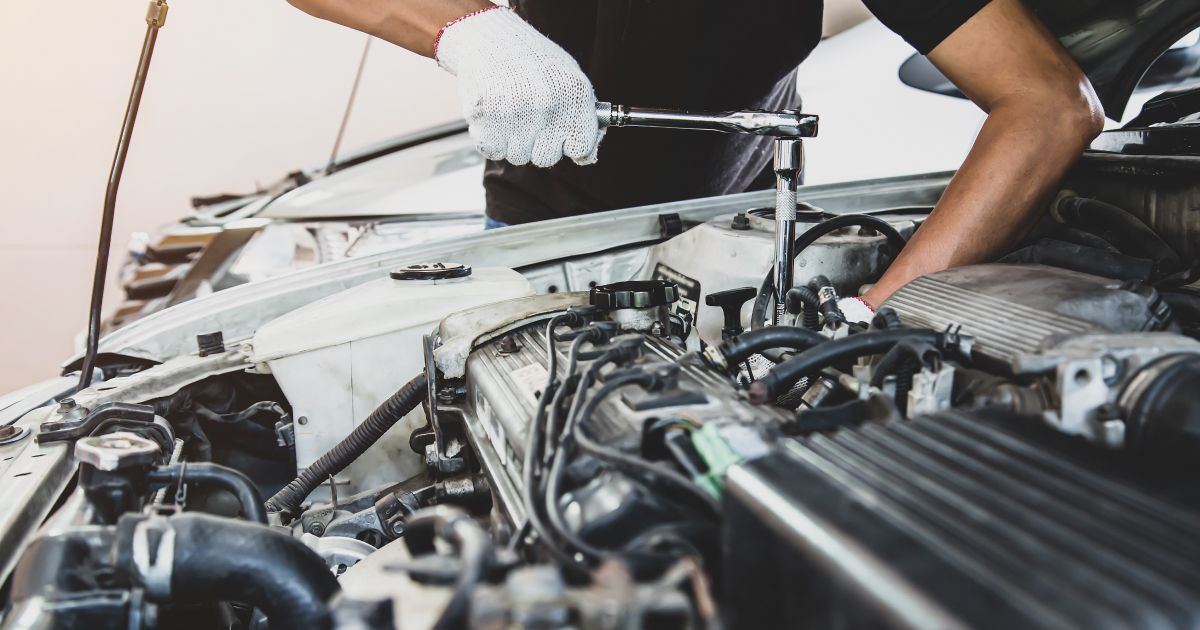
If you are wondering what Range Rover to buy, and especially from which year, this is the blog for you! We have taken into account reliability as the most important characteristic of the list. Below, you will find models starting from 1989 – for those who like the original Rover feel and build; to 2022 – offering all the modern quirks and features. 2014 Range Rover Sport SVR The 2014 Range Rover Sport SVR doesn’t look a day older than 2023. It has great looks and a very clean, luxurious interior. The engine that powers the Sport SVR is a 5.0L V8 making a whopping 510 HP, but keep in mind that it’s a heavy SUV. It has an 8-speed automatic transmission and AWD. It’s a great pick if you are on a budget but still want a reliable, good-looking, Range Rover. 2011 Range Rover Evoque The Evoque has two versions: two and four doors. While it’s a little older, it makes up for durability and exterior looks. Engine options are either 2.2L or 2.0L. It’s nothing too special, but at the same time, it’s perfect for everyday driving, picking up the kids, or a road trip. 2022 Range Rover Velar The newest pick on our list is the 2022 Velar. Despite Range Rover’s recent reputation of unreliability, the Velar offers the opposite, and even ranks as one of the most reliable Range Rovers ever. If you are looking for luxury, this is the exact thing for you. The interior is very comfortable and modern, with all the extras you need. Powering it is a DOHC 2.0L inline-4, which makes 247 HP. 1989 Land Rover 90 At first, you might get confused seeing a vehicle from 1989 on the list, but after all, exactly, these models are responsible for the popularity the Rovers have. The Land Rover 90 is an off-road, adventure-oriented vehicle, so if you are looking for that, this is the pick for you. It has either a 2.3L or 2.5L engine, a manual transmission, and an overall rugged interior and exterior. But the thing it excels at is durability and off-road capability. Range Rover Services And Maintenance At Elite Imports & Auto Repairs! If your Range Rover is experiencing any problems, make sure to stop by our shop. We will inspect and repair everything needed to keep you safe on the road! Book an appointment online or call (720) 242-8904 !
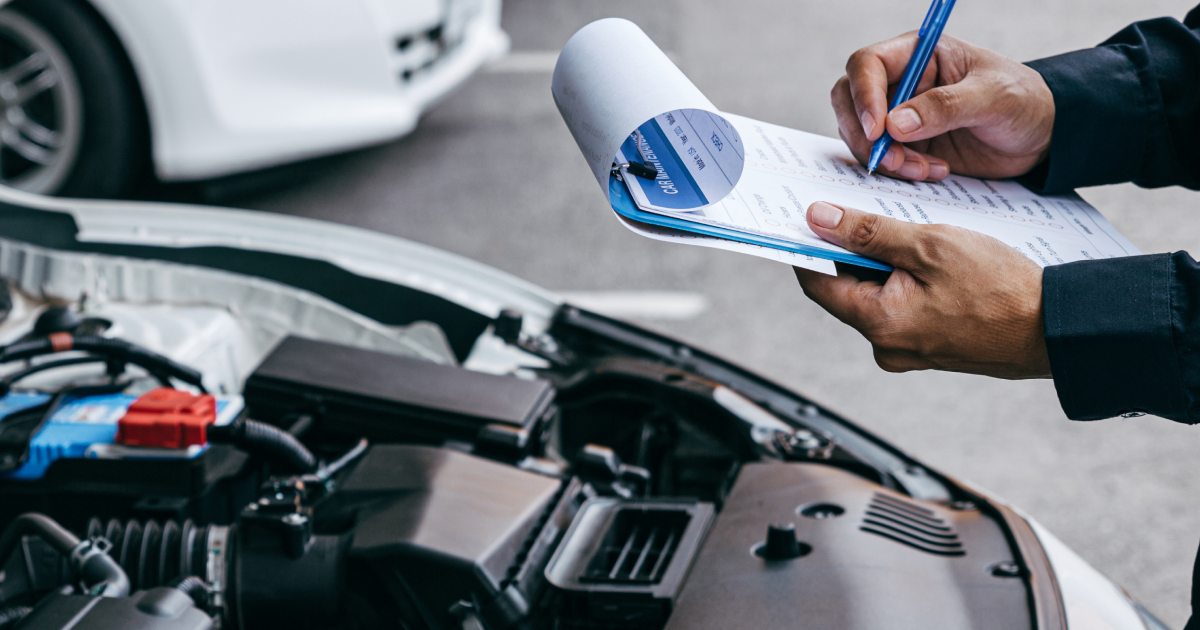
Keeping your car safe and roadworthy is a top priority for any responsible driver in Colorado. But with so many regulations and requirements, understanding what vehicle inspections are mandatory and when they’re needed can be confusing. Here at Elite Imports Auto Repair in Centennial, CO, we’re committed to empowering you with knowledge, and this blog will help you better understand Colorado vehicle inspection requirements. Understanding the Different Types of Vehicle Inspections in Colorado There are two primary types of vehicle inspections mandated in Colorado: Emissions Inspection: This inspection ensures your car meets the state’s specific tailpipe emission standards. Safety Inspection: This inspection goes beyond emissions and delves into your vehicle’s overall safety, including its brake system , lights, tires, and other crucial components. Emissions Inspection in Colorado In Colorado, vehicle inspections are conducted to ensure that vehicles meet the state’s safety and emissions standards. These inspections are designed to identify potential safety hazards and environmental concerns, ultimately promoting safer roads and cleaner air for all Coloradans. Colorado’s Emissions Control Program (ECP) aims to reduce air pollution by mandating emissions inspections for gasoline-powered vehicles. Here’s a breakdown of what you need to know: Which Vehicles Need an Emissions Inspection? All gasoline-powered vehicles registered in specific Colorado counties, including Denver, Jefferson, Arapahoe, Adams, Boulder, and Douglas, require an emissions inspection. When is an Emissions Inspection Required? The frequency of emissions inspections depends on your vehicle’s model year. Here’s a general guideline: Vehicles eight years old and newer: Every two years. Vehicles between six and eight years old: Exempt. Vehicles older than six years: Every year. Important Note: These are general guidelines. It’s crucial to double-check your specific inspection requirements based on your vehicle’s make, model, and model year using the Colorado ECP website. Safety Inspection in Colorado Colorado doesn’t require a mandatory safety inspection for most passenger vehicles. However, there are specific situations where a safety inspection becomes necessary, such as: Vehicle Registration: A safety inspection might be required if registering a vehicle used in Colorado for the first time, especially if it’s coming from another state. Change of Ownership: Depending on the vehicle’s age, a safety inspection might be mandated when transferring ownership of a car to a Colorado resident. Salvage Title: Vehicles with a salvage title typically require a safety inspection before being registered or re-registered in Colorado. Benefits of Regularly Maintaining Your Vehicle Beyond Inspections While Colorado doesn’t mandate regular safety inspections, maintaining your car in top condition goes beyond legal requirements. Here are some compelling benefits: Enhanced Safety: A well-maintained vehicle ensures optimal performance of critical safety systems like brakes, steering, and airbags, minimizing the risk of accidents. Improved Fuel Efficiency: Regular maintenance helps your engine run smoothly, leading to better fuel economy and saving you money at the pump. Reduced Repair Costs: Catching minor problems early through routine maintenance can prevent them from escalating into expensive repairs down the road. Extended Vehicle Life: By taking care of your car, you can significantly extend its lifespan and enjoyment. Schedule Your Vehicle Inspection or Maintenance Appointment Today! Don’t wait until an inspection requirement arises. Take a proactive approach and schedule a vehicle inspection or maintenance service with Elite Imports Auto Repair today. Whether you need an emissions inspection, a safety check, or a comprehensive vehicle maintenance service, our team of experienced and certified auto technicians is here to assist you. We’re committed to keeping your car running safely and efficiently for miles to come. Contact us at Elite Imports or visit our website to schedule an appointment now!
As February unfolds, it’s time to show your car some extra love with our seasonal maintenance checklist. At Elite Imports, we understand the importance of proactive care to ensure your vehicle’s optimal performance throughout the year, and we are committed to providing top-notch automotive services. February is a great time for fluid checks and changes, tire inspections and rotations, brake system checks, battery health assessments, and engine performance tune-ups. Come with us in this blog as we share the knowledge needed to keep your ride in peak condition while fostering a sense of care and responsibility towards your vehicle. Let’s examine our seasonal maintenance checklist below. Fluid Check and Change The transition from winter to spring starts in February, making it crucial to assess your vehicle’s fluids. Check the oil, coolant, brake fluid, and transmission fluid levels. If any fluid appears dirty or is due for a change, schedule an appointment with Elite Imports for a thorough fluid service. Tire Inspection and Rotation As the road conditions change, inspecting your tires for wear and tear is vital. Ensure proper tire pressure and consider rotating them to promote even tread wear. Elite Imports offers professional tire inspection and rotation services to enhance safety and extend tire life. Brake System Check Your safety depends on a reliable brake system system . Have your brakes inspected for wear, and replace brake pads or shoes if necessary. Elite Imports specializes in brake system maintenance and can address any issues to keep you safe on the road. Battery Health Assessment Cold weather can take a toll on your vehicle’s battery. Ensure the battery terminals are clean and have the battery tested for charge capacity. Elite Imports offers battery diagnostics and replacement services to keep you from getting stranded. Engine Performance Tune-Up February is an excellent time for an engine performance check. Elite Imports Auto Repair provides comprehensive engine diagnostics and tune-up services to maximize fuel efficiency and overall performance. Ready For Your February Maintenance? Give Us A Call! By following our February Seasonal Maintenance Checklist, you not only ensure the reliability of your vehicle but also contribute to its longevity and efficiency. Remember, proactive maintenance can prevent costly repairs down the road. If you observe any issues or require professional assistance with your vehicle’s maintenance, don’t hesitate to schedule an appointment with us to get the help you need. We’re located at 15455 E. Hinsdale Dr., Unit 2, Centennial, CO 80112; you will find our auto repair team hard at work Monday through Friday from 7:30 AM – 5:30 PM. We can’t wait to help you prepare your vehicle for the memories ahead.
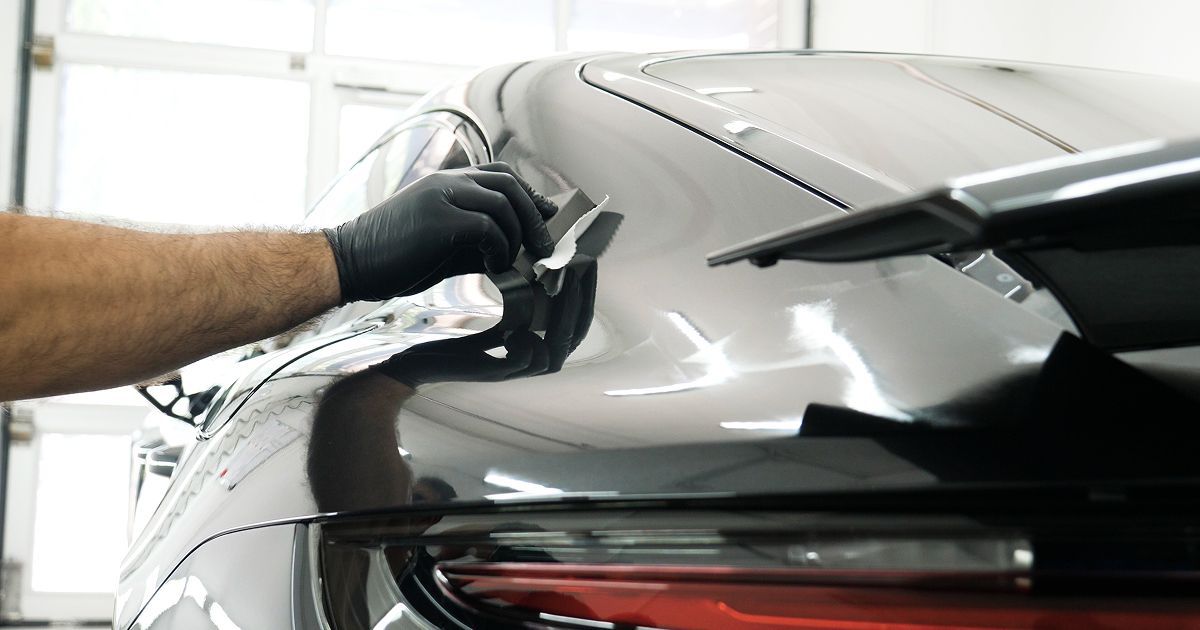
In the quest for maintaining a car’s pristine appearance, protective coatings stand out as revolutionary solutions. Today, car owners are increasingly turning to advanced coatings like ceramic and nano to keep their vehicles looking new – but what are they exactly? What Is Ceramic Coating Ceramic coating is a liquid polymer applied to the exterior of vehicles, creating a protective layer over the paint. It chemically bonds with the vehicle’s factory paint, providing a layer of protection that is resistant to scratches, UV rays, and chemical stains. Not only does it protect, but it also gives the car a glossy finish, enhancing its aesthetic appeal. This coating is known for its durability, often lasting several years before needing reapplication. What Is Nano Coating Nano coating, on the other hand, involves applying a nanostructured material, which forms a microscopic layer of protection over your car’s surface. This type of coating is famous for its hydrophobic properties, meaning it repels water and oil, making your car easier to clean while providing excellent protection against environmental contaminants. Nano coatings are also effective in reducing the visibility of minor scratches and swirl marks. When To Consider Ceramic Coating Ceramic coating is ideal for those who are looking for long-term protection with minimal maintenance. It’s perfect for high-end vehicles or for anyone who wants to preserve their car’s paintwork from the harsh elements and reduce the frequency of washes. It’s also a great choice for older cars that need a boost in their exterior appearance. When To Consider Nano Coating Nano coating is suitable for drivers who live in regions with heavy rain or those who are looking for ease of cleaning. It’s particularly beneficial for daily-use cars that are frequently exposed to road grime and pollutants. Nano coating’s self-cleaning properties make it a convenient option for maintaining a clean and shiny appearance with less effort. Benefits Of Investing In Exterior Protection Investing in exterior protective coatings, be it ceramic or nano, offers numerous benefits. These include: Enhanced protection against environmental damage Improved resistance to chemical stains and etchings Easier cleaning due to hydrophobic properties Overall preservation of your vehicle’s appearance and value These coatings not only safeguard your car’s paint but also keep it looking newer for longer, making them a wise investment for any car owner. A Few Questions You Might Have How long does ceramic coating last on a vehicle? Ceramic coating can last anywhere from 1 to 5 years, depending on maintenance and environmental conditions. Can nano coating be applied on top of ceramic coating? It’s not typical to layer these coatings as they serve similar purposes. It’s best to choose one that best fits your needs. Are these coatings only for new cars? A3: No, these coatings can be applied to both new and used cars to protect or rejuvenate the paintwork. Looking for a shop that does ceramic or nano coatings in Centennial? Elite Imports & Auto Repairs is the answer – just give us a call, schedule an appointment, and leave the rest to us!
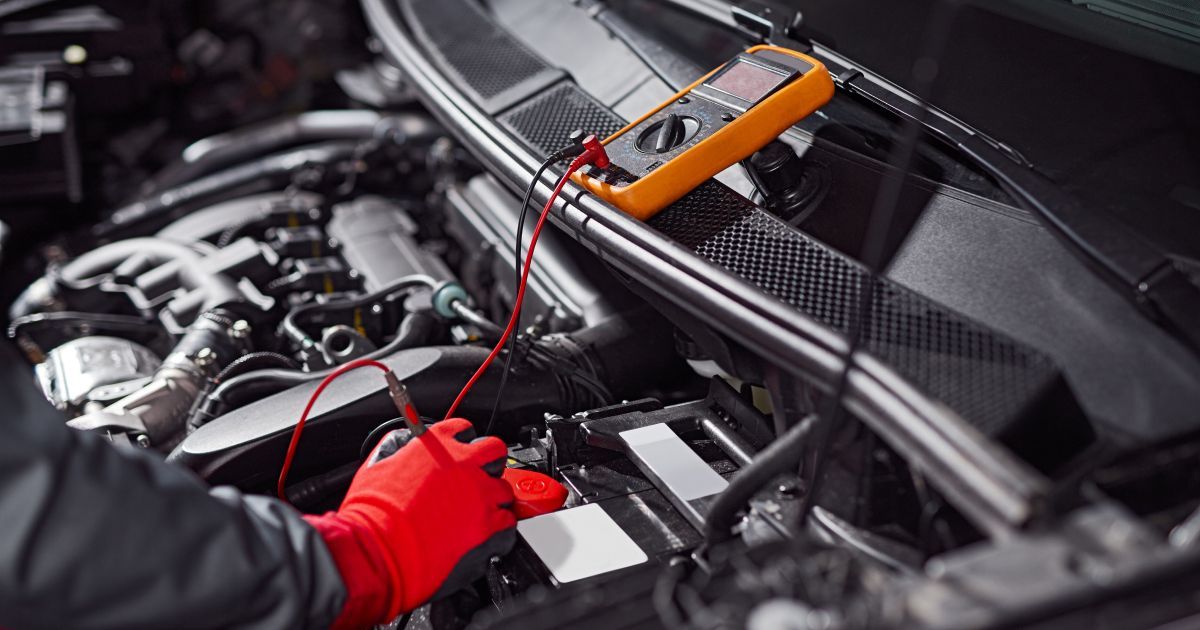
As summer ends and the back-to-school season approaches, ensuring your vehicle is in top condition is crucial. Keeping your cool while prepping your vehicle for school involves taking a proactive approach to maintenance. By following some simple steps and investing a little time and effort, you can avoid unnecessary breakdowns and keep your family safe on the road. Importance of Vehicle Maintenance Maintaining your vehicle is not just about its performance; it’s also about your safety and the safety of others on the road. Regular maintenance helps identify potential issues before they become major problems, reducing the risk of accidents and breakdowns. Ensuring Safety Your vehicle is responsible for transporting your loved ones, including children, to and from school. It’s essential to ensure that all safety features, such as brakes and lights, function optimally. Regular inspections can detect any faults or malfunctions and allow you to address them promptly. Avoiding Breakdowns Imagine the stress of a vehicle breakdown when you’re already running late for school drop-off or pick-up. Regular maintenance, including checking fluid levels, inspecting tires, and testing the battery, can help prevent unexpected breakdowns, saving you time and hassle. Prepping Your Vehicle for School Before the school year begins, it’s a good idea to go through a checklist to ensure your vehicle is ready for the demands of daily commuting. Here are some essential steps to follow: Checking Fluid Levels Fluids such as engine oil, coolant, transmission fluid, and brake fluid play a vital role in your vehicle’s performance. Regularly checking these fluid levels and topping them up can prevent engine damage and ensure smooth operation. Inspecting Tires Proper tire maintenance is crucial for safety and fuel efficiency. Check the tire pressure regularly using a gauge to ensure they are properly inflated. Additionally, inspect the tires for any signs of wear or damage and consider rotating them for even wear and extended lifespan. Testing the Battery A dead battery can quickly put a damper on your day. Test your vehicle’s battery regularly, especially if it’s been a few years since you last replaced it. Look for signs of corrosion or loose connections, and consider investing in jumper cables for emergencies. Examining Brakes and Lights Brakes and lights are essential for your safety on the road. Inspect your brake pads and discs regularly, and replace them if worn down. Check that all lights, including headlights, taillights, and indicators, are working correctly, and replace any burned bulbs. Essential Tools for Vehicle Maintenance To effectively prep your vehicle for school, it’s essential to have the right tools on hand. Here are some tools that every vehicle owner should have: Tire Pressure Gauge Maintaining proper tire pressure is crucial for safety and fuel efficiency. A tire pressure gauge allows you to accurately measure the pressure in your tires and ensure they are inflated to the recommended levels. Jumper Cables A dead battery can happen unexpectedly, and having jumper cables can save the day. They allow you to jump-start your vehicle using another vehicle’s battery, quickly getting you back on the road. Oil Funnel When it’s time to change your engine oil, an oil funnel helps you pour it into the engine without spills or mess. It ensures that the oil goes exactly where it needs to be. Screwdriver and Pliers These basic tools are handy for various maintenance tasks, such as tightening loose connections, removing screws, or replacing parts. They are versatile and useful additions to your vehicle maintenance toolkit. Tips for Effective Vehicle Prepping Besides performing regular maintenance tasks, here are some tips to ensure effective vehicle prepping: Following the Manufacturer’s Guidelines Every vehicle has specific maintenance guidelines outlined in the owner’s manual. It’s important to familiarize yourself with these guidelines and follow them accordingly. The manufacturer knows your vehicle best and provides recommendations for maintenance intervals and procedures. Creating a Maintenance Schedule To stay on top of vehicle maintenance, create a schedule that outlines when specific tasks must be performed. This includes oil changes, tire rotations, filter replacements, and routine maintenance. A schedule helps you stay organized and ensures you don’t overlook any essential maintenance tasks. Keeping the Vehicle Clean Regularly cleaning your vehicle, both inside and out, keeps it looking good and helps preserve its condition. Clean the exterior to remove dirt and grime that can corrode the paint, and clean the interior to prevent unpleasant odors and maintain a comfortable environment. Conclusion Keeping your cool while prepping your vehicle for school is about being proactive and attentive to your vehicle’s needs. Following the outlined maintenance tasks, using the right tools, and incorporating regular inspections, ensure your vehicle is safe, reliable, and ready for the school year ahead. Come To Elite Imports Auto Repair Your Vehicle For Back To School Season Contact us to schedule an appointment , and visit Elite Imports Auto Repair in Centennial. We’re located at 15455 E. Hinsdale Dr., Unit 2, Centennial, CO 80112 , you will find our auto repair team hard at work Monday through Friday from 7:30 AM – 5:30 PM. We can’t wait to help you prepare your vehicle for the memories ahead.

As the school year approaches, many parents are preparing their teens for driving to and from school. Teaching your teens about fuel efficiency is not only beneficial for saving money but also for promoting responsible driving habits and environmental awareness. Here are some practical tips to help your teens maximize their car’s fuel efficiency. Importance of Fuel Efficiency Understanding the importance of fuel efficiency can motivate teens to adopt better driving habits. Fuel efficiency reduces the amount of fuel consumed by the vehicle, which in turn lowers the cost of driving. This can be especially important for teens who may be on a tight budget. Improving fuel efficiency also means fewer emissions, which is better for the environment. This is a great way to teach teens about the impact of their actions on the planet. For more insights on vehicle maintenance and inspection, you can read our blog on Vehicle Inspection Requirements in Colorado . By emphasizing the financial and environmental benefits of fuel efficiency, you can encourage your teen to adopt more sustainable driving habits. Understanding these principles early on will help them become more responsible drivers in the future. This foundational knowledge is crucial as they begin their driving journey, ensuring they make informed decisions that positively impact their driving experience and the environment. Additionally, teaching fuel efficiency is a valuable life skill that will benefit them for years to come, promoting a conscientious approach to vehicle use. Tip 1: Regular Maintenance Regular vehicle maintenance is crucial for optimal fuel efficiency. Ensuring that the car is well-maintained can prevent a range of issues that can negatively impact fuel efficiency. This includes regular oil changes, tire rotations, and air filter replacements. Keeping the tires properly inflated can significantly improve gas mileage. Under-inflated tires create more rolling resistance, which makes the engine work harder and consume more fuel. To detect any hidden issues that might affect fuel efficiency, consider using computer diagnostics. Learn more about how this technology can help in our blog on Computer Diagnostics . Regular maintenance not only improves fuel efficiency but also extends the life of the vehicle. Teaching your teen the importance of routine checks and timely repairs can prevent costly breakdowns and ensure their car runs smoothly. It’s an investment in both their safety and their wallet, giving them the confidence to handle minor maintenance tasks independently. Tip 2: Smooth Driving Habits Encourage your teens to adopt smooth driving habits to enhance fuel efficiency. Rapid acceleration and hard braking can drastically reduce fuel efficiency. Teach your teens to accelerate smoothly and anticipate stops to avoid sudden braking. Driving at consistent speeds, particularly on highways, can help maintain better fuel efficiency. Using cruise control when appropriate can also assist in maintaining a steady speed. Explain the benefits of coasting to a stop rather than braking abruptly. This not only saves fuel but also reduces wear and tear on the vehicle’s braking system. Smooth driving habits not only save fuel but also make driving safer and more comfortable. By teaching these techniques, you can help your teen avoid accidents and enjoy a more pleasant driving experience. Consistent, gentle driving practices are key to long-term vehicle health and efficiency, fostering a habit of mindful driving that can last a lifetime. Tip 3: Reduce Idle Time Reducing idle time is another effective way to save fuel. Explain to your teens that idling consumes fuel without getting you anywhere. Encourage them to turn off the engine if they expect to be parked for more than a minute. Modern vehicles are designed to use less fuel when restarting than when idling for extended periods. This is especially relevant during the winter months in Colorado, where warming up the car is common. Instead, suggest that they drive slowly for the first few minutes to allow the engine to warm up. Reducing idle time not only saves fuel but also reduces harmful emissions, making it a win-win for both the driver and the environment. Reducing idle time is a simple habit that can significantly improve fuel efficiency. By teaching your teen to turn off the engine when it’s not needed, you can help them save fuel and reduce wear on the engine. This practice also contributes to a cleaner environment by cutting down on unnecessary emissions, highlighting the importance of small actions in achieving significant results. Tip 4: Lighten the Load Carrying unnecessary weight can negatively impact a vehicle’s fuel efficiency. Teach your teens to keep their car as light as possible by removing unnecessary items from the trunk and back seat. Every additional 100 pounds can reduce fuel efficiency by up to 2%. While it’s important to have emergency supplies, ensure they only carry what is necessary and avoid using the car as a storage space. Educating your teens about the impact of weight on fuel efficiency can help them make better decisions about what they keep in their vehicle. By keeping the car’s weight to a minimum, your teen can enjoy better fuel efficiency and improved handling. This simple habit can make a significant difference in their driving experience. It’s a practical lesson in how small changes can lead to big benefits in vehicle performance, reinforcing the value of thoughtful decision-making. Make An Appointment With Us Today! By teaching your teens these fuel efficiency tips, you’re helping them become more responsible drivers and environmentally conscious individuals. Regular maintenance and good driving habits are key to keeping their car running smoothly and efficiently. For any vehicle maintenance or repair needs, Elite Imports Auto Repair in Centennial, CO, is here to help. Our expert mechanics can ensure your teen’s car is in top condition, providing peace of mind as they head back to school. Contact us today to schedule an appointment or to learn more about our services.
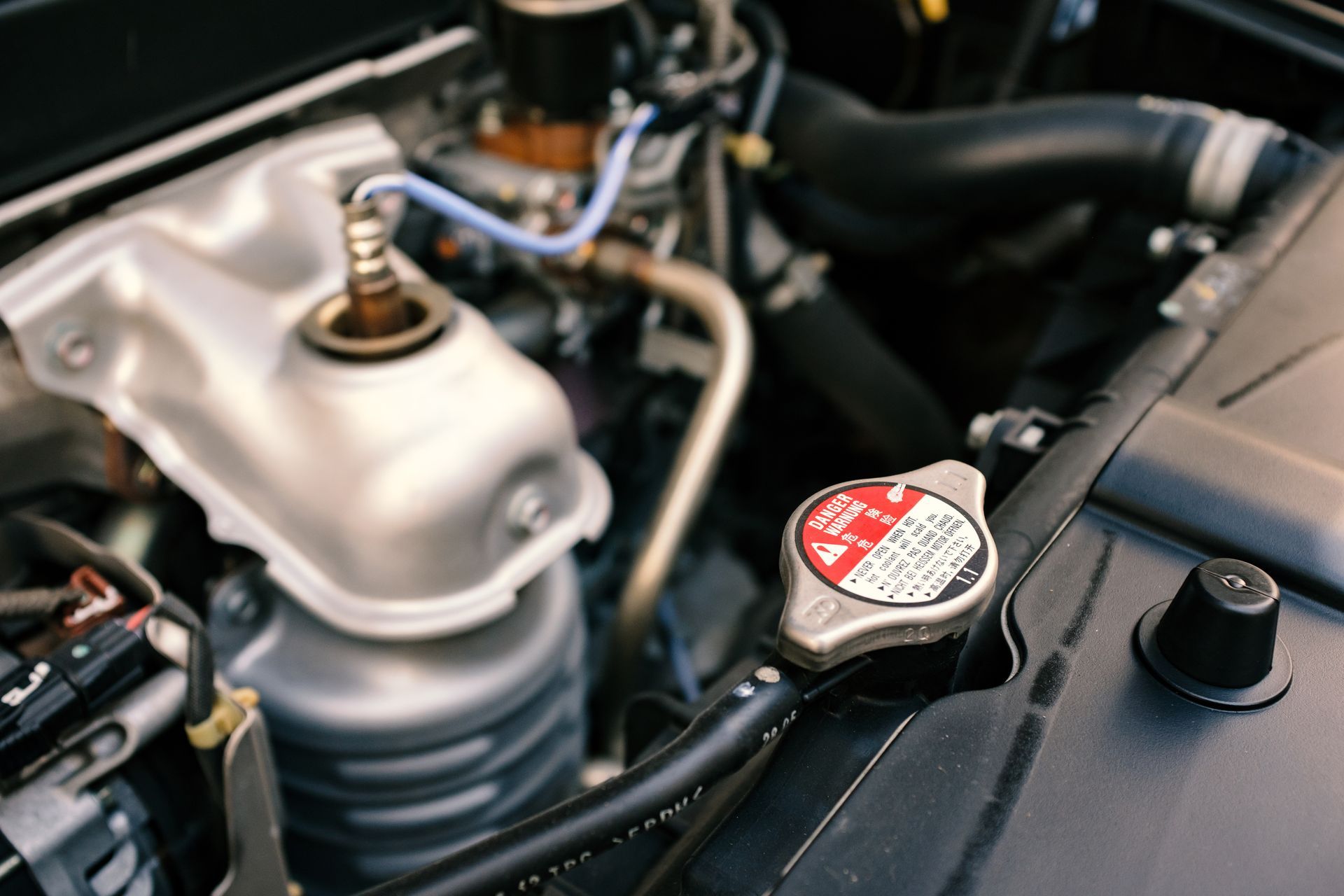
Fluid flushes – you have likely been recommended one before when visiting an auto repair shop. But what are they exactly? Today, we will answer this question in a few paragraphs and see what it is, why it’s important, and how the process is performed. What Do Flush Services Consist of? In general, fluid flushes get rid of all of the oil and other fluids consumptives from your vehicle and replace them with new, fresh ones. They typically involve the following steps: Draining the Old Fluid The first step in a flush service is to drain the old fluid from the system being serviced. This is typically done by removing drain plugs, siphoning, or using specialized equipment to ensure complete fluid removal. Flushing the System After draining the old fluid, the next step is to flush the system using a cleaning agent or specialized flush fluid. This helps remove any residual contaminants, sludge, or debris that may have accumulated in the system. Refilling with Fresh Fluid Once the system has been flushed and cleaned, fresh fluid is added to replace the old fluid. The new fluid is carefully selected to meet the manufacturer’s specifications and provide optimal performance and protection for the specific system. System Inspection and Testing After the flush and refill process, the system is inspected for leaks, proper fluid levels, and overall functionality. If any issues are identified, they are addressed accordingly to ensure the system is in proper working order. The Importance of Flush Services System Performance and Longevity Flush services help maintain the performance and longevity of various vehicle systems. Over time, fluids can become contaminated with debris, dirt, and wear particles. These contaminants can hinder the efficiency of the system, leading to decreased performance, overheating, or premature wear. Flushing and replacing old fluids help restore optimal performance and extend the lifespan of the system. Preventive Maintenance Flush services play a vital role in preventive maintenance. By removing old fluids and contaminants, flush services help prevent potential issues and costly repairs down the line. Regularly scheduled flush services ensure that the systems in your vehicle are operating at their best, reducing the risk of breakdowns and extending the overall lifespan of your vehicle. Fluid Quality Over time, fluids can break down, lose their lubricating properties, and become less effective at their intended functions. Flush services allow for the replacement of degraded fluids with fresh ones, ensuring the system has the proper lubrication, cooling, or hydraulic properties necessary for optimal operation. This helps maintain the overall health of the system and prevents potential damage. Warranty Compliance For vehicles still under warranty, adhering to the manufacturer’s recommended maintenance schedule, including flush services, is often necessary to maintain warranty coverage. Failure to perform recommended flush services within the specified intervals may void the warranty, leaving you responsible for any related repairs. Fluid Flushes at Elite Imports! Are you from Centennial, CO, or the surrounding area? If so, make sure to stop by our shop for a fluid flush, taking into account the heat during summer, your car will be thankful for the new coolant or oil running freely!